
Introduction
Pregnancy is a transformative time filled with excitement, anticipation, and sometimes, challenges. Expecting mothers often seek natural remedies to manage symptoms such as nausea, anxiety, and pain. CBD oil has emerged as a popular choice for many, but its use during pregnancy remains a topic of debate. This blog post aims to provide a comprehensive overview of what expecting mothers should know about CBD oil, its benefits, risks, and expert opinions.
What is CBD Oil?
CBD is known for its potential therapeutic benefits, including pain relief, anxiety reduction, and anti-inflammatory properties.
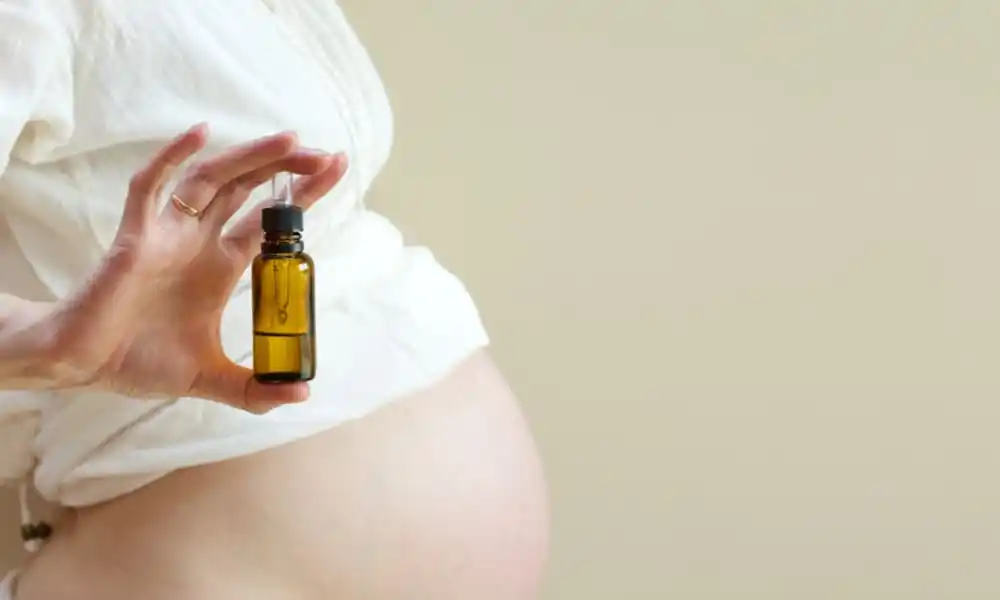
1. Understanding CBD
Cannabidiol (CBD) is a compound found in the cannabis plant. Unlike tetrahydrocannabinol (THC), CBD does not produce a psychoactive effect, meaning it doesn’t make you feel “high.” Instead, CBD is known for its potential therapeutic benefits, including pain relief, anxiety reduction, and anti-inflammatory properties.
2. How is CBD Oil Made?
CBD oil is typically extracted from the hemp variety of the cannabis plant, which contains low levels of THC. The extraction process involves using solvents like CO2 or ethanol to separate CBD from the plant material. The result is a concentrated oil that can be consumed directly or added to various products.
Potential Benefits of CBD Oil During Pregnancy
CBD oil is often touted for its ability to alleviate several common pregnancy-related issues:
1. Managing Pregnancy Symptoms
CBD Oil During pregnancy brings a host of symptoms, some of which can be particularly uncomfortable.
– Nausea and Morning Sickness
Many women experience nausea and vomiting, especially during the first trimester. Some anecdotal evidence suggests that CBD oil may help reduce these symptoms, though scientific studies are limited.
– Anxiety and Stress Relief
Pregnancy can be a stressful time, and managing anxiety is crucial for the well-being of both the mother and the baby. CBD is known for its calming effects and may help reduce anxiety levels.
– Pain Management
As the body changes, pregnant women often experience back pain, joint pain, and muscle aches. CBD oil’s anti-inflammatory properties might offer relief from these discomforts.
Risks and Concerns
Women and developing fetuses remain unclear.
1. Lack of Extensive Research
One of the primary concerns about using CBD oil during pregnancy is the lack of extensive research. Most studies on CBD have been conducted on non-pregnant individuals or animals, and the effects on pregnant women and developing fetuses remain unclear.
2. Potential Impact on Fetal Development
The developing fetus is highly sensitive to various substances, and there is concern that CBD could affect fetal development. Some studies on animals suggest that high doses of CBD might lead to developmental issues, but more research is needed to confirm these findings in humans.
3. Contamination and Quality Control
The CBD market is largely unregulated, which means that product quality can vary significantly. Contaminants such as pesticides, heavy metals, and THC can pose additional risks. It’s crucial for pregnant women to use CBD products from reputable sources that provide third-party lab testing results.
Expert Opinions
It’s essential for expecting mothers to consult their healthcare provider before considering CBD oil.
1. Medical Community’s Stance
The medical community remains cautious about recommending CBD oil during pregnancy. Most healthcare providers advise against its use due to the lack of conclusive evidence and potential risks.
2. Personal Anecdotes and Testimonials
Despite the caution from the medical community, some pregnant women have shared positive experiences with using CBD oil. These anecdotal reports highlight its potential benefits, but they should be taken with caution due to the lack of scientific validation.
Legal Landscape of CBD Use During Pregnancy
Expecting mothers should be aware of their local laws and regulations regarding CBD use.

1. CBD Legality
The legal status of CBD varies by country and state. In many places, CBD derived from hemp with less than 0.3% THC is legal, while CBD from marijuana remains illegal.
2. Employer and Insurance Policies
Pregnant women should also consider potential implications with employers and insurance providers. Some employers have strict policies against cannabis use, and insurance companies may have specific guidelines regarding coverage and CBD.
Alternatives to CBD for Pregnancy-Related Issues
1. Natural Remedies
For those hesitant to use CBD oil, several natural alternatives may help alleviate pregnancy symptoms:
– Ginger for Nausea
Ginger is a well-known remedy for nausea and can be consumed in various forms, such as tea, capsules, or candies.
– Prenatal Yoga and Meditation
Engaging in prenatal yoga and meditation can help reduce stress and anxiety while promoting physical well-being.
– Warm Baths and Massage
Warm baths and prenatal massages can provide relief from muscle aches and joint pain.
2. Over-the-Counter Medications
Some over-the-counter medications are considered safe for use during pregnancy. However, it’s essential to consult a healthcare provider before taking any medication.
Consulting Your Doctor About CBD Use During Pregnancy
Here are some tips to prepare for the discussion:
1. Preparing for the Conversation
If you’re considering using CBD oil during pregnancy, it’s crucial to have an open and honest conversation with your healthcare provider.
- Do Your Research: Gather information about CBD, including potential benefits and risks.
- List Your Symptoms: Be clear about the symptoms you want to address with CBD.
- Ask Questions: Inquire about alternative remedies and the safety of CBD use during pregnancy.
2. Monitoring and Follow-Up
If you and your healthcare provider decide to proceed with CBD use, regular monitoring and follow-up appointments are essential to ensure the health and safety of both you and your baby.
The Future of Research on CBD Oil and Pregnancy
As more data becomes available, healthcare providers will be better equipped to offer evidence-based recommendations.
1. Ongoing and Future Studies
The scientific community recognizes the need for more rigorous studies on the effects of CBD oil during pregnancy. Ongoing research aims to provide clearer insights into how CBD interacts with both the maternal body and the developing fetus. Future studies will likely focus on long-term outcomes, dosage guidelines, and the potential benefits versus risks.
2. The Role of Advocacy and Education
Advocacy and education play critical roles in advancing the understanding and responsible use of CBD oil during pregnancy. Organizations and researchers advocating for more comprehensive studies help push for the necessary funding and attention. Additionally, educating pregnant women about the current state of knowledge and the importance of consulting healthcare providers can empower them to make informed choices.
3. Personal Responsibility and Informed Choices
While the allure of natural remedies like CBD oil is strong, personal responsibility is paramount. Expecting mothers should seek out credible information, stay updated on new research findings, and remain vigilant about product quality. Using reputable sources and third-party lab-tested products can mitigate some risks associated with contamination and inaccurate labeling.
4. Building a Supportive Community
Building a supportive community around the topic of CBD oil and pregnancy can provide a platform for sharing experiences and knowledge. Online forums, support groups, and social media platforms offer spaces for pregnant women to discuss their concerns, share their stories, and receive support from others in similar situations.
Final Thoughts
The conversation around CBD oil and pregnancy is evolving, reflecting a growing interest in natural health solutions alongside a commitment to safety and scientific validation. As research progresses, clearer guidelines and more definitive answers will emerge. In the meantime, expecting mothers should prioritize open dialogue with healthcare professionals and make informed, cautious decisions regarding the use of CBD oil. By balancing curiosity with caution, pregnant women can navigate this complex topic with greater confidence and care.
Conclusion
CBD oil presents a potential natural remedy for managing various pregnancy symptoms, but its use during pregnancy remains controversial due to the lack of extensive research and potential risks. Expecting mothers should prioritize their health and safety by consulting with healthcare providers, considering alternative remedies, and staying informed about the legal and medical landscape of CBD use. With careful consideration and professional guidance, pregnant women can make informed decisions about incorporating CBD oil into their prenatal care routine.