
Introduction
In recent years, Delta-8 THC has emerged as a notable player in the world of cannabinoids, offering a unique and potentially therapeutic experience for users. With its distinct effects and growing popularity, understanding Delta-8 THC is becoming increasingly important. This comprehensive guide aims to provide a deep dive into the world of Delta-8 THC, exploring its effects, optimal dosage, various forms, legal considerations, and potential benefits.
Whether you’re a seasoned cannabis enthusiast or someone curious about the potential benefits of this lesser-known cannabinoid, this guide is designed to equip you with the knowledge needed to make informed decisions about Delta-8 THC use. Let’s embark on a journey to uncover the nuances of this intriguing compound and its potential place in your wellness routine
What is Delta-8 THC?
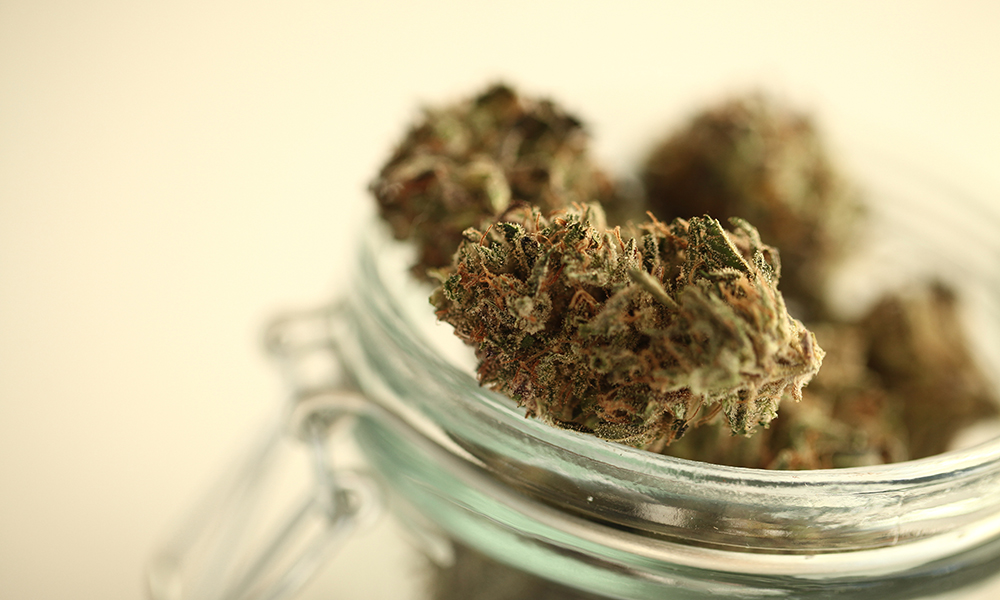
Delta-8 THC is a naturally occurring compound found in both hemp and cannabis plants. It’s chemically similar to Delta-9 THC, the well-known psychoactive compound, but with some differences in its molecular structure. These differences result in unique effects when consumed.
Forms of Delta-8 THC
Delta-8 THC is available in various forms, catering to different preferences and methods of consumption. Common forms include:
- Vape Cartridges: These are pre-filled cartridges designed for vaporization using a vape pen or vaporizer.
- Edibles: Delta-8 THC can be infused into various food products like gummies, chocolates, and baked goods.
- Tinctures: This form involves a liquid extract of Delta-8 THC, typically taken sublingually (under the tongue) for faster absorption.
- Capsules: Encapsulated Delta-8 THC offers a precise and convenient way to consume a controlled dosage.
- Topicals: Some companies produce creams, balms, and lotions infused with Delta-8 THC for localized application, primarily for pain relief.
- Dabs and Concentrates: These highly concentrated forms of Delta-8 THC are inhaled through a vaporizer or dab rig.
- Distillate: A highly refined form of Delta-8 THC, it can be used for various applications, including creating other products like edibles and vape cartridges.
Delta-8 vs Delta-9 THC
Delta-8 and Delta-9 THC are both cannabinoids found in the cannabis plant. Delta-9 THC is the primary psychoactive compound responsible for the “high” associated with marijuana. Delta-8 THC, while structurally similar, differs in its placement of a double bond in the molecule. This variance results in milder psychoactive effects compared to Delta-9 THC, making it potentially less potent.
Delta-8 is gaining popularity for its purported therapeutic benefits with fewer adverse side effects. However, it’s important to note that research on Delta-8 is limited compared to Delta-9, and its legal status varies by jurisdiction. Always consult a healthcare professional for personalized advice.
Legal Status in Canada
As of my last knowledge update in September 2021, the legal status of Delta-8 THC in Canada is complex and can vary by province. It’s advisable to consult local laws and regulations or speak with a legal professional for the most up-to-date information.
Effects and Dosage
Delta-8 THC, like Delta-9 THC, is a psychoactive cannabinoid found in cannabis. Its effects are milder compared to Delta-9, often described as a more subtle high. Users report feeling relaxed, focused, and uplifted without the intense intoxication associated with Delta-9 THC. It can also have potential therapeutic benefits, including pain relief and anxiety reduction, though research is ongoing.
Dosage varies based on factors like individual tolerance, metabolism, and the form of consumption (edibles, tinctures, vape cartridges, etc.). It’s recommended to start with a low dose, around 5-10 mg, and gradually increase if needed. Always consult a healthcare professional before using any cannabis product, especially if you have pre-existing medical conditions or are taking other medications.
How Long Does Delta-8 THC Stay in Your System?
The duration Delta-8 THC stays in your system depends on various factors, including dosage, frequency of use, metabolism, and individual physiology. Generally, it can be detectable in urine for up to 2-3 days after occasional use, while heavy or prolonged consumption may extend this window to 4-5 days or even longer. In blood, it typically remains detectable for about 24-48 hours. Hair tests can reveal Delta-8 THC for up to 90 days or more, but they are less commonly used. It’s crucial to note that individual variations play a significant role, so these time frames are estimations and not universally applicable.
Benefits and Risks
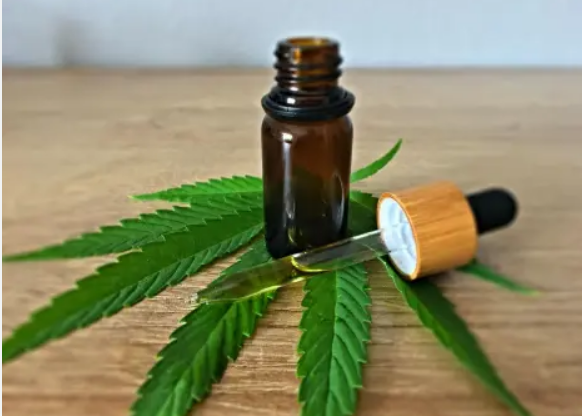
Delta-8 THC is reported to have potential therapeutic benefits, including pain relief, anxiety reduction, and appetite stimulation. However, it’s important to note that more research is needed to fully understand its medical applications. As with any substance, there are also potential risks and side effects, which can include dry mouth, increased heart rate, and in some cases, anxiety or paranoia.
Where to Buy Delta-8 THC in Canada
When considering purchasing Delta-8 THC products, it’s crucial to choose reputable sources. Ensure that the products are lab-tested for quality and purity. Additionally, consider reading reviews and seeking recommendations from trusted sources.
Potential Therapeutic Benefits
While research on Delta-8 THC is still in its early stages, initial studies and anecdotal reports suggest a range of potential therapeutic benefits.
- Pain Management: Delta-8 THC has shown promise in alleviating pain, potentially making it an option for individuals dealing with chronic pain conditions. Some users report reduced pain and inflammation after consuming Delta-8 THC products.
- Anxiety and Mood Disorders: Unlike Delta-9 THC, which can sometimes induce anxiety or paranoia, Delta-8 THC is often reported to offer a milder, more relaxed experience. This could make it a potential option for individuals looking for anxiety relief without the intensity of Delta-9 THC.
- Appetite Stimulation: Delta-8 THC, like Delta-9 THC, is known for its appetite-stimulating effects. This can be particularly beneficial for individuals undergoing treatments that may suppress their appetite.
- Neuroprotective Properties: Some studies suggest that Delta-8 THC may have neuroprotective properties, potentially offering benefits for conditions involving neurodegeneration.
Risks and Side Effects
While Delta-8 THC is generally considered to have a more gentle psychotropic effect compared to Delta-9 THC, it’s not without potential risks.
- Dry Mouth: Like with Delta-9 THC, dry mouth is a common side effect of Delta-8 THC. Staying hydrated can help alleviate this discomfort.
- Increased Heart Rate: Some users may experience an increase in heart rate after consuming Delta-8 THC. Individuals with pre-existing heart conditions should exercise caution.
- Anxiety or Paranoia: While less common than with Delta-9 THC, some individuals may still experience anxiety or paranoia, particularly at higher doses.
- Lack of Research: It’s important to note that, as of my last update in September 2021, research on Delta-8 THC is still limited. This means that there may be potential risks or benefits that have not yet been fully understood.
Legality and Considerations
The legal status of Delta-8 THC can be complex and varies by region. It’s crucial to research and understand the specific laws and regulations governing its use and possession in your area. In some places, Delta-8 THC may be classified as a controlled substance, while in others it may be legal under certain conditions.
Conclusion
In conclusion, Delta-8 THC presents an intriguing option for individuals seeking an alternative to Delta-9 THC. However, it’s essential to approach it with caution, starting with low doses and being aware of legal considerations. Always consult with a healthcare professional if you have any concerns or questions about using Delta-8 THC. Remember, individual experiences with cannabinoids can vary widely, so it’s important to proceed with care and listen to your body’s signals.