
The popularity of CBD oil in Canada continues to surge, with many seeking its potential benefits for various health concerns. But for newcomers navigating the vast array of CBD products available, a crucial question often arises: CBD Oil Expiry. Understanding shelf life and proper storage practices is essential for getting the most out of your CBD experience – and ensuring you’re getting the value you deserve.
Here in Canada, CBD products are legal as long as they contain less than 0.3% THC, the psychoactive compound found in cannabis. This allows Canadians to explore the world of CBD with confidence, but it’s still important to make informed choices about the products they purchase.
Shelf Life: Understanding the Timeline of CBD Oil
The good news is that CBD oil, like most natural products, typically has a respectable shelf life. Reputable brands generally offer CBD oil with a shelf life of one to two years, providing ample time to enjoy the benefits before it expires. However, it’s important to remember that CBD is a natural compound, and like other natural products, it can degrade over time. While it might not be harmful to use expired CBD oil, its effectiveness will likely diminish.
Read- How To Select The Best CBD Oil For You?
Factors Affecting the Shelf Life of CBD Oil
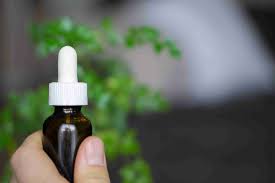
Several factors can influence how long your CBD oil remains potent. Understanding these factors empowers you to make informed choices about storing and using your CBD oil:
- Storage Conditions: Light, heat, and air are the enemies of CBD oil’s potency. These elements can accelerate the breakdown of CBD, reducing its effectiveness. The ideal storage environment is a cool, dark place with a consistent temperature – think a cupboard or drawer away from direct sunlight and heat sources like your stove or oven.
- Ingredients: The carrier oil used in your CBD product also plays a role in its shelf life. MCT oil, a popular choice for its fast absorption, tends to have a longer shelf life compared to some other carrier oils. When choosing a product, consider the carrier oil and its known shelf life characteristics.
- Manufacturing Process: High-quality extraction and purification methods can contribute to a longer shelf life for CBD oil. Look for reputable brands that prioritize transparent and meticulous manufacturing processes to ensure the quality and longevity of their products.
By understanding these factors, you can take control and create the optimal storage environment for your CBD oil, maximizing its potency throughout its shelf life.
Signs Your CBD Oil Might Expire
Understanding the shelf life of CBD oil is essential, but knowing how to identify a product that’s reached its expiration is equally important. Here are some telltale signs that can indicate your CBD oil has lost its potency and effectiveness:
- Visual Cues: Fresh CBD oil is typically clear or a light golden color. If your oil develops a cloudy appearance or changes color significantly, especially to a darker shade, it could be a sign of degradation.
- Smell: Quality CBD oil usually has a mild, earthy smell. If your oil develops an unpleasant or off odor, it’s a strong indication that it’s past its prime and should be discarded.
- Taste: Similar to the smell, a noticeable change in taste, particularly a bitter or unpleasant one, could be a sign of expiration. Remember, fresh CBD oil may not have a strong taste, but it shouldn’t be unpleasant.
Using Expired Oil: Potential Drawbacks
While expired CBD oil is unlikely to be harmful, it simply won’t be as effective as a fresh product. Here’s what you can expect if you use expired CBD oil:
- Diminished Benefits: CBD oil degrades over time, and the CBD compounds themselves lose their potency. This means you may not experience the intended benefits, such as reduced anxiety or improved sleep, to the same degree.
- Unpleasant Taste and Aroma: As mentioned earlier, expired oil can develop an unpleasant smell and taste. This can make using the oil an unpleasant experience.
Maximizing Potency: Storage Best Practices
Now that you understand the factors affecting shelf life and the signs of expiration, let’s explore some best practices for storing your CBD oil to ensure optimal potency:
- Store in a Cool, Dark Place: Locate a cupboard or drawer away from direct sunlight and heat sources like your stove or oven. Aim for a consistent temperature range, ideally around room temperature. Rapid fluctuations in temperature can degrade the oil.
- Maintain a Tight Seal: After each use, tightly secure the cap on your CBD oil bottle. This minimizes air exposure, which can accelerate the breakdown of CBD. Leaving the cap loose exposes the oil to oxygen, potentially speeding up its degradation.
- Consider Refrigeration: If you live in a warm climate or aren’t planning to use your CBD oil for a while, storing it in the refrigerator can further extend its shelf life. Just remember to bring it back to room temperature before use to avoid solidification. Cold temperatures can cause the oil to thicken, making it difficult to dispense.
By following these simple storage practices, you can significantly extend the shelf life of your CBD oil and ensure you’re getting the most out of your product throughout its active period.
Choosing a Reputable Brand with Clear Labels
Selecting a reputable brand with clear and transparent information on the packaging goes a long way in maximizing the shelf life of your CBD oil. Here’s what to look for:
- Clear Expiration Dates: Look for a product with a clearly displayed expiration date on the label. This helps you determine when the oil is likely to reach its peak potency.
- High-Quality Manufacturing: Reputable brands invest in high-quality extraction and purification methods to ensure the purity and potency of their CBD oil. This indirectly contributes to a longer shelf life.
- Transparent Ingredients: Look for brands that disclose all ingredients on the label, including the carrier oil used. Some carrier oils, like MCT oil, have a naturally longer shelf life compared to others.
By prioritizing these factors when choosing your CBD oil, you’re setting yourself up for a positive experience with a product that offers optimal shelf life and potency.
Special Considerations for Different CBD Oil Types
Generally, the expiration dates and storage recommendations apply similarly to various CBD oil types, including tinctures and capsules. However, there are a few minor considerations:
- Tinctures: Tinctures are typically suspended in a carrier oil like MCT oil or hemp seed oil. These carrier oils have their own shelf life, which can slightly influence the overall shelf life of the tincture. However, as long as the tincture is stored properly, the impact is usually minimal.
- Capsules: CBD oil capsules often contain additional ingredients for stability and ease of consumption. These additional ingredients might have a slightly different shelf life compared to the CBD oil itself. Always refer to the specific storage instructions on the product label for capsules.
Legality of CBD Oil in Canada
While there are no official expiration date regulations for CBD oil in Canada, following best practices for storage is crucial. This safeguards both quality and consumer safety. Proper storage ensures you’re getting the most out of your CBD oil’s potency throughout its shelf life. By choosing reputable brands and storing your oil in a cool, dark place with a tight seal, you can maximize its effectiveness and enjoy the potential benefits it may offer.
Conclusion
Understanding CBD oil expiration and proper storage practices empowers you to make informed choices and get the most out of your product. By following the tips in this blog series, you can ensure your CBD oil remains potent and effective throughout its shelf life. Remember, a little knowledge goes a long way in maximizing your CBD experience in Canada! Choose reputable brands, prioritize proper storage, and enjoy the potential benefits that CBD oil may offer.