
Introduction
In the world of fitness, recovery is just as important as training. Whether you’re a professional athlete, weekend warrior, or someone starting a new workout routine, your body needs time to heal and rebuild after physical exertion. Muscle soreness, inflammation, and fatigue can slow down progress and affect motivation. This is where CBD oil is stepping into the spotlight.
Once a controversial compound, CBD (Cannabidiol) is now being embraced by fitness enthusiasts and health professionals alike. Derived from the hemp plant, CBD is a non-psychoactive compound that has shown incredible potential in promoting muscle recovery, reducing inflammation, and supporting overall wellness—all without getting you high.
Let’s dive into how CBD oil helps with muscle recovery, its science-backed benefits, and how you can incorporate it into your routine.
What Is CBD and How Does It Work?
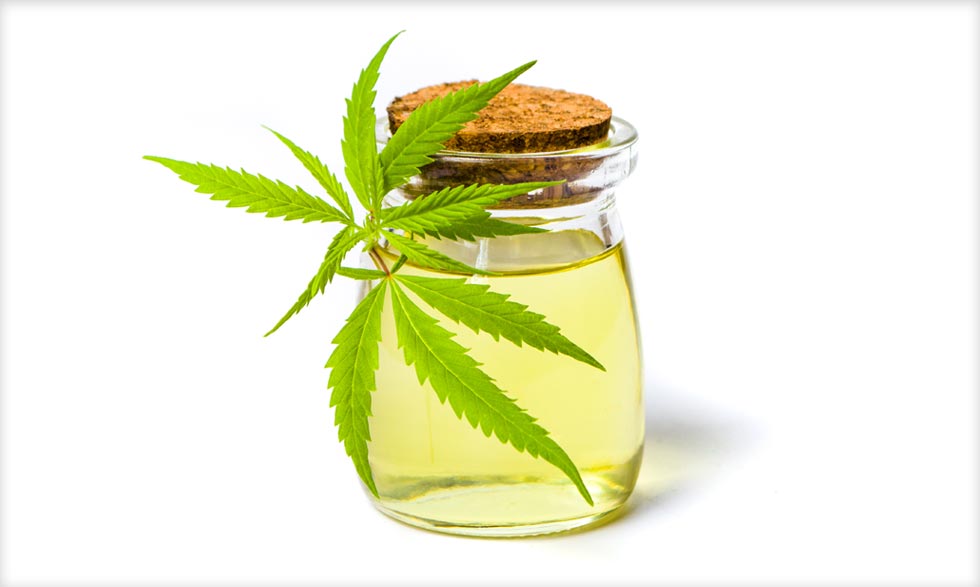
CBD is one of over 100 cannabinoids found in the Cannabis sativa plant. Unlike THC (tetrahydrocannabinol), it doesn’t produce a “high” or alter your mental state. Instead, it interacts with the body’s endocannabinoid system (ECS)—a complex network of receptors and neurotransmitters that help regulate pain, inflammation, mood, sleep, and immune response.
The ECS plays a crucial role in maintaining homeostasis. When CBD interacts with CB1 and CB2 receptors, it can influence processes like inflammation control, pain management, and tissue repair, making it particularly effective for those dealing with muscle soreness or strain.
1. Reduces Inflammation After Exercise
After intense workouts, the body naturally experiences inflammation as part of the healing process. While some inflammation is normal, excessive inflammation can delay recovery, cause stiffness, and lead to overtraining injuries.
CBD is known for its anti-inflammatory properties. It works by interacting with immune cells and inhibiting the release of pro-inflammatory cytokines. This helps in reducing swelling and muscle tenderness, allowing athletes to bounce back faster between sessions.
Why it matters:
Quicker inflammation control means less downtime, reduced soreness, and more consistent training.
2. Alleviates Muscle Pain and Soreness
Whether it’s DOMS (Delayed Onset Muscle Soreness) or localized pain after a heavy lifting session, CBD oil can help manage it naturally. CBD interacts with pain receptors (vanilloid and TRPV1 receptors) in the nervous system to reduce pain perception.
Unlike traditional painkillers, which may cause stomach irritation or dependence, CBD offers a non-addictive and gentle alternative for pain relief.
Why it matters:
Using CBD can help reduce dependency on NSAIDs or opioids while effectively managing discomfort from workouts or injuries.
3. Enhances Sleep and Restful Recovery
Rest and quality sleep are vital for muscle repair and hormone regulation, particularly the production of growth hormone and testosterone. Many athletes report sleep disturbances due to physical stress or soreness.
CBD has been shown to improve sleep by reducing anxiety, calming the nervous system, and increasing REM cycles. A well-rested body heals faster and performs better.
Why it matters:
Better sleep translates to faster recovery, improved mood, and greater athletic performance.
4. Reduces Stress and Mental Fatigue
Recovery isn’t just physical—mental recovery is equally crucial. Long-term stress increases cortisol levels, which can impair recovery, suppress the immune system, and break down muscle tissue.
CBD is known for its anxiolytic (anti-anxiety) effects. It regulates cortisol levels and supports a sense of calm, which can be incredibly helpful for athletes dealing with competition stress or performance pressure.
Why it matters:
By managing stress, CBD helps athletes stay mentally sharp and emotionally balanced during training cycles.
5. Topical Relief for Targeted Muscle Groups
Aside from ingestible forms, CBD oil is also available in creams, balms, and roll-ons. These topicals deliver CBD directly to the affected muscle or joint area, providing localized relief from pain and stiffness.
Many formulations also include menthol, arnica, or camphor, which add a cooling effect and enhance muscle relaxation.
Why it matters:
Topical CBD can be used post-workout to target specific sore areas without systemic effects.
Scientific Backing and Athlete Testimonials
The scientific community has taken a growing interest in CBD’s role in muscle recovery. Studies have found that CBD can:
- Reduce inflammation in animal and human models
- Improve sleep quality and quantity
- Decrease chronic pain conditions such as arthritis and fibromyalgia
- Support neuroprotection and tissue healing
Athletes such as Nate Diaz (UFC), Megan Rapinoe (Soccer), and Rob Gronkowski (NFL) have publicly endorsed CBD for muscle recovery, citing improved performance, fewer injuries, and better quality of life.
How to Use CBD Oil for Recovery
There’s no one-size-fits-all approach, but here are common ways to integrate CBD into your recovery routine:
1. Sublingual CBD Oil (Tinctures)
- Drop under the tongue for fast absorption
- Great for systemic effects like pain, inflammation, and sleep
- Recommended dose: Start with 10–20 mg and adjust as needed
2. CBD Capsules or Gummies
- Easy to take and dose consistently
- Slower onset but longer-lasting effects
- Ideal for daily recovery and wellness
3. Topical CBD Creams
- Apply directly to sore muscles
- Great for localized pain or post-workout recovery
- Can be used multiple times a day
4. CBD Bath Soaks
- Infused bath salts with CBD, Epsom salt, and essential oils
- Helps relax muscles and calm the mind after intense training
Is CBD Legal and Safe for Athletes?
Yes—CBD derived from hemp (containing less than 0.3% THC) is legal in many countries, including the U.S., UK, and parts of Europe. However, it’s crucial to buy from reputable brands that provide third-party lab testing to ensure there are no contaminants or illegal levels of THC.
The World Anti-Doping Agency (WADA) has removed CBD from its list of banned substances, making it legal for professional athletes. But THC is still banned, so athletes must choose THC-free (broad-spectrum or isolate) CBD products.
Also Read: How to Incorporate CBD Oil Into Your Daily Routine for Maximum Benefits
Conclusion
CBD oil is more than just a wellness trend—it’s a scientifically supported, athlete-endorsed tool that can optimize recovery, improve performance, and support long-term health. Whether you’re managing sore muscles, chasing better sleep, or looking to reduce reliance on pharmaceuticals, CBD offers a gentle yet effective solution.
As with any supplement, it’s important to consult your doctor, especially if you’re on medications or have underlying conditions. Start with a low dose, track how your body responds, and adjust accordingly.
In the ever-evolving world of sports recovery, CBD oil stands out as a game-changing natural ally—helping your body do what it was made to do: heal, recover, and perform.