
As the popularity of CBD continues to grow, more and more consumers are exploring different ways to incorporate it into their wellness routines. Among the most common forms of CBD are CBD oil and CBD tinctures. While these two products are often used interchangeably, there are distinct differences between them in terms of their ingredients, production methods, and usage. Understanding these differences can help you make a more informed choice when selecting the right CBD product for your needs.
In this blog post, we will explore the key differences between CBD oil and CBD tinctures, discuss their benefits, and guide you on how to choose the best option for your health and wellness goals.
What is CBD Oil?
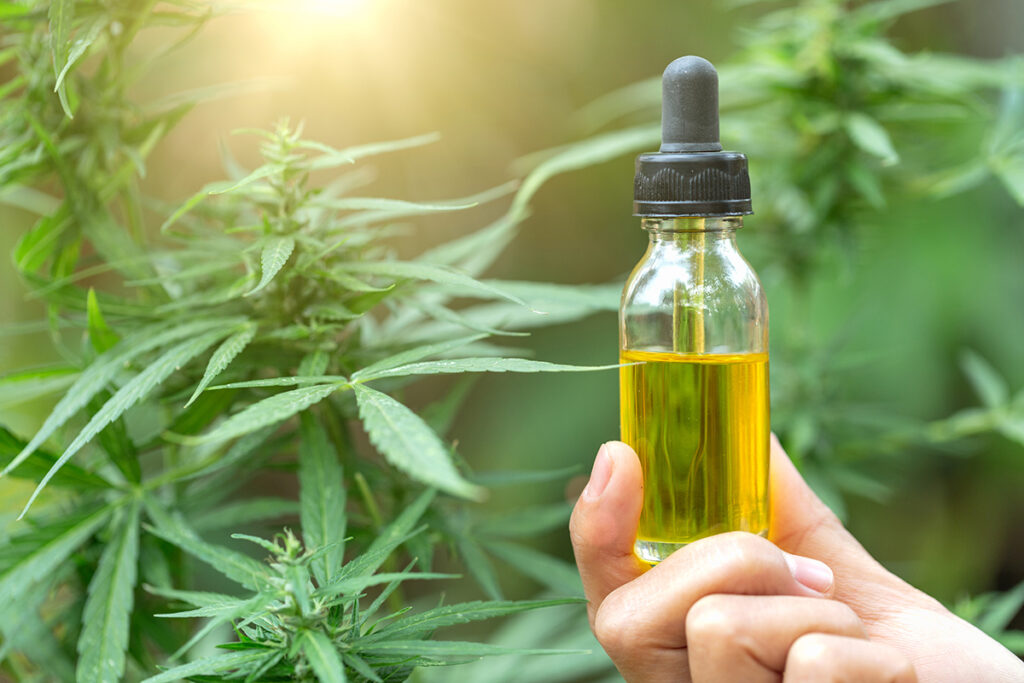
CBD oil is a concentrated form of cannabidiol (CBD) that is extracted from the hemp plant. The process of extracting CBD oil typically involves using a carrier oil such as coconut oil, olive oil, or hemp seed oil to dilute the CBD extract. This makes CBD oil easy to consume and can be used in various ways, such as sublingually (under the tongue), in capsules, or added to food and beverages.
How Is CBD Oil Made?
The process of making CBD oil involves the extraction of CBD from hemp plants. There are a few different extraction methods, but the most common include:
- CO2 Extraction: This is considered the most effective and safest method. Supercritical CO2 is used to extract CBD from the plant, ensuring that all the beneficial cannabinoids and terpenes are preserved.
- Solvent Extraction: A solvent such as ethanol or butane is used to extract CBD. While this method is effective, it may not preserve the terpenes and other beneficial compounds as well as CO2 extraction.
- Olive Oil Extraction: Olive oil is heated with the hemp plant material to extract CBD. This method is simpler but tends to yield less CBD compared to other extraction techniques.
After extraction, the CBD is mixed with a carrier oil to dilute it and make it easier to consume. This is why CBD oil often has a smooth texture and consistency.
What Are CBD Tinctures?
CBD tinctures are similar to CBD oil but are typically made by dissolving CBD extract in alcohol or glycerin rather than in a carrier oil. The alcohol-based extraction process helps preserve the potency of CBD while allowing it to dissolve easily into the liquid. CBD tinctures are also consumed sublingually (under the tongue) for faster absorption, or they can be added to food or drinks.
How Are CBD Tinctures Made?
The process of making CBD tinctures is slightly different from that of CBD oil. CBD tinctures are made by soaking CBD-rich hemp plant material in a high-proof alcohol or vegetable glycerin for a period of time. This process extracts the cannabinoids, terpenes, and other beneficial compounds from the plant material, resulting in a potent and highly concentrated liquid.
After the extraction process, the tincture is filtered to remove any plant matter, leaving behind a clear, potent CBD-infused liquid that can be consumed directly or mixed with food and drinks.
Key Differences Between CBD Oil and CBD Tinctures
While both CBD oil and CBD tinctures contain cannabidiol (CBD) and offer similar benefits, there are several key differences that set them apart. Let’s take a closer look at how they differ in terms of ingredients, production methods, and usage.
1. Ingredients
The primary difference between CBD oil and CBD tinctures lies in the ingredients used to dilute the CBD extract.
- CBD Oil: As mentioned earlier, CBD oil is typically diluted with a carrier oil, such as coconut oil, olive oil, or hemp seed oil. This makes CBD oil a fat-based solution, which may help with the absorption of CBD into the body due to the fat content.
- CBD Tinctures: CBD tinctures, on the other hand, use alcohol or vegetable glycerin as the base. The alcohol or glycerin helps preserve the CBD extract and gives the tincture a longer shelf life.
2. Taste and Consistency
- CBD Oil: CBD oil tends to have a mild earthy or nutty flavor depending on the type of carrier oil used. The consistency is thicker compared to tinctures due to the presence of oil as the base.
- CBD Tinctures: Tinctures are usually more liquid and can have a more potent taste due to the alcohol used in the extraction process. Some people find the taste of tinctures a bit strong or bitter, but this can be easily masked by adding the tincture to food or beverages.
3. Absorption Rate
- CBD Oil: When taken sublingually (under the tongue), CBD oil is absorbed quickly into the bloodstream, allowing for faster effects. However, due to its fat-based composition, it may take slightly longer to digest when mixed with food or beverages.
- CBD Tinctures: Tinctures tend to be absorbed more quickly than CBD oil due to their alcohol base. When placed under the tongue, the alcohol evaporates rapidly, helping the CBD to enter the bloodstream faster. This makes tinctures a preferred option for those looking for a quicker onset of effects.
4. Shelf Life
- CBD Oil: The shelf life of CBD oil can vary depending on the type of carrier oil used. Generally, CBD oil has a shelf life of about 12 to 24 months when stored in a cool, dark place.
- CBD Tinctures: CBD tinctures typically have a longer shelf life than CBD oils due to the alcohol base. Alcohol acts as a preservative, allowing tinctures to last up to several years without losing potency.
5. Potency
- CBD Oil: CBD oils are available in various potencies, allowing users to choose the concentration that best suits their needs. The concentration of CBD in oil is typically indicated in milligrams per bottle or per serving.
- CBD Tinctures: Tinctures tend to have higher concentrations of CBD due to the concentrated nature of alcohol extraction. The potency of tinctures can vary greatly, so it’s important to check the label for CBD content before purchasing.
6. Use in Cooking and Beverages
- CBD Oil: While CBD oil can be used in cooking and added to beverages, its oil-based composition makes it less versatile for mixing compared to tinctures. The oil may separate from other liquids and can leave an oily texture.
- CBD Tinctures: Due to their alcohol or glycerin base, tinctures mix better with liquids and are easier to incorporate into drinks, teas, and recipes. Many people enjoy adding a few drops of tincture to their morning tea or coffee for a convenient way to consume CBD.
Which Is Better: CBD Oil or CBD Tincture?
Choosing between CBD oil and CBD tincture depends on your personal preferences, lifestyle, and the specific benefits you’re seeking. If you’re looking for a versatile product that works well with food and beverages, CBD tinctures may be the better choice. However, if you prefer a thicker, oil-based solution and don’t mind the stronger flavor, CBD oil might be more suitable.
Ultimately, both options offer similar benefits, such as reducing anxiety, alleviating pain, and promoting better sleep. The choice between CBD oil and CBD tinctures largely comes down to how you prefer to consume your CBD and what your body responds to best.
Read Also : CBD for Pets: How It Can Help with Anxiety, Pain, and Health Issues
Conclusion
Both CBD oil and CBD tinctures are excellent choices for anyone looking to incorporate the benefits of CBD into their daily routine. Understanding the differences between the two, from ingredients to absorption rates, can help you make a more informed decision about which product best fits your needs. Whether you choose CBD oil or CBD tincture, both offer a natural, effective solution for enhancing your wellness and managing various health issues. Always remember to consult with a healthcare provider to determine the best dosage and type of CBD product for your specific needs.